Regional geopolitical strain and cautious client spending slowed the United Arab Emirates' non-oil private economic momentum, with the sector growing at its slowest pace since February 2021.
The S&P Global UAE PMI fell to 50.8 in June 2026 from 52.6 a month ago, data from S&P Global showed Friday. The reading was marginally above the neutral 50 threshold, indicating a "marginal" improvement in operating conditions among non-oil industry businesses.
Despite reaching a three-month peak, new business growth remained below the historical average as inflation, tourism slump and delayed client spending dampened overall demand. As a result, staff numbers fell at the fastest rate since August 2020, which also reflects rising costs and productivity drives.
Backlogs in June rose at the second-slowest pace in two and a half years amid subdued capacity pressures. Meanwhile, purchasing activity recovered sharply for the month, driven by sales-driven restocking and defensive inventory building to protect against potential supply disruptions and shortages.
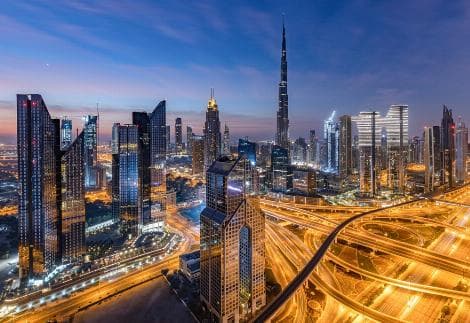
Zooming in on Dubai, the PMI also slipped to 50.7 in June 2026 from 52 previously, marking the softest improvement in the Emirate's non-oil private sector since January 2021 amid slowing demand growth. While ongoing spending delays and Middle East conflict-related travel reductions weighed on sales growth, businesses ramped up output at the fastest pace since March 2026.
"Looking ahead, recent moves towards an easing of geopolitical tensions in the region should help firms recover demand and [normalize] supply chains - indeed, the greater movement of shipping along the Strait of Hormuz in June led to shorter delivery times. That said, client caution has persisted so far, and businesses have sufficiently moved to cut staff capacity, suggesting that a rebound in the non-oil sector may turn out to be gradual," S&P Global Market Intelligence principal economist David Owen said.