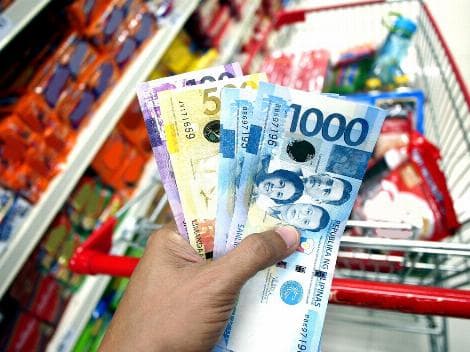
Philippine consumer prices rose 6.8% in May from a year earlier, easing from April's three-year high of 7.2%, according to data from the Philippine Statistics Authority on Friday.
The latest print came in below the floor of what Bangko Sentral ng Pilipinas had projected, even as the economy deals with oil price hikes driven by the Middle East conflict.
The BSP had expected May inflation to range between 7.1% and 7.9%, driven by rising prices of rice, vegetables, and meat, alongside a weakening peso.
The year-to-date average now stands at 4.5%, still above the BSP's 2% to 4% target.
The main driver of the slowdown was transport inflation, which decelerated to 16.2% in May from 21.4% in April. Food and non-alcoholic beverage inflation also cooled to 5.7% from 6%, while the prices of housing, water, electricity, gas and other fuels collectively rose at a softer rate of 7.8% from 8.2% previously.
Vegetable costs also drove food inflation lower, with the prices of vegetables, tubers, plantains, cooking bananas and pulses rising at 6.2% in May, versus 10.4% in April.
Rice inflation, however, accelerated to 15.6% from 13.7%, while corn inflation surged to 25.2% from 21%.
Core inflation, which strips out volatile food and energy prices, came in at 4.1%, up from 3.9% in April. However, the print missed the consensus forecast of 4.2%, according to Investing.com.
Ahead of the latest data, HSBC said a 50-basis-point hike is likely in June and August, while MUFG senior currency analyst Michael Wan said the BSP will likely hike rates further by about 75 to 100 basis points this year.
"[W]e will not be surprised if there is an off-cycle meeting to do so coupled with perhaps some chance of a jumbo 50bps rate hike moving forward," Wan said in a note last month.
In MUFG's latest note on Friday, analyst Lloyd Chan said, "With oil prices remaining elevated, inflation risks are skewed to the upside, which could reinforce the case for further policy tightening to contain price pressures and support the PHP."