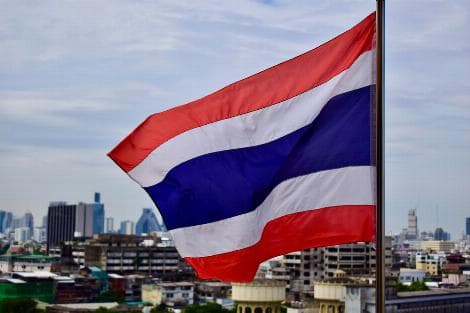
Higher fuel bills and the unresolved Strait of Hormuz closure undercut Thailand business confidence in May, reported the Bank of Thailand.
Thailand's Business Sector Index fell to 42.5 in May from 43.5 in April, striking further below the 50-mark that separates optimism from pessimism.
"In May, the Business Sentiment Index (BSI) declined due to the prolonged Middle East conflict, which weakened the manufacturing index, while the non-manufacturing index remained stable at a low level," said the central bank. "High production cost was the top concern for doing business for the third consecutive month."
Confidence especially waned in Thailand's petrochemical and plastics industries, which faced sharper higher bills in their feedstocks derived from crude oil, and also prospects of supply shortages.
About 50% of Thailand's imported oil passed through the Strait of Hormuz, before the current conflict there closed the vital passageway, reported NBT World, a government news service.
Confidence in Thailand's hotel and restaurant sector also declined, with sentiment sinking to the lowest level since the COVID-19 pandemic, as tourist arrivals slowed.
Thailand's food and beverage industry confidence also waned, as producers were pressured by packaging costs that have risen by 30% to 50% "compared to the pre-conflict period," said Bank of Thailand. In addition, the food industry in May faced delayed orders from the Middle East, due in part to high freight rates.
Thailand businesses in May expected inflation in the 2.7% range for the next 12 months, down from the 2.9% rate anticipated in April, though still up from the sub-2% rate expected before the closure of the Strait of Hormuz in late February.
However, Thailand businesses were less pessimistic in May than in April, with the three-month expected business confidence index rising to 46.9 in May from 40.9 in April, though still striking below the 50-mark.
In the manufacturing sector, "raw material shortages eased, despite high raw material price pressures," noted the Bank of Thailand, due in part to national government actions to release petroleum reserves.
Among Thailand's service industries, the mood in the transportation sector in May improved due in part to better supplies and some ability of transporters to pass on higher fuel bills.
The Bank of Thailand May BSI survey had more than 660 respondents, from large and medium-size firms. The questionnaires were distributed during the first week of May.