The US economy expanded at a faster rate in the first quarter than previously projected even as consumer spending growth decelerated, the Bureau of Economic Analysis' third and final estimate showed Thursday.
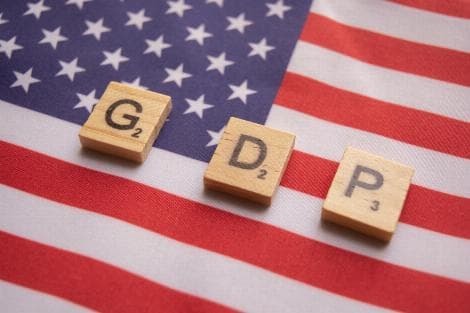
Real gross domestic product increased at a 2.1% annualized rate in the quarter ended March, up from 1.6% growth reported in the second estimate. The consensus was for the growth rate to be left unrevised in a survey compiled by Bloomberg.
The reading marks the fastest growth rate in two quarters and follows a 0.5% expansion in the previous three-month period, according to government data. The GDP upgrade primarily reflects a downward revision to imports.
Growth in consumer spending -- as measured by personal consumption expenditures -- was revised down to 0.5% from 1.4% previously reported, though Wall Street expected no change.
First-quarter headline PCE inflation was revised up to 4.6% from the prior estimate of 4.5%. Core PCE inflation -- which excludes the volatile food and energy components - was left unchanged at 4.4%, official data showed.
The BEA said in a separate report Thursday that consumer spending rose more than projected in May, while the Federal Reserve's preferred inflation metric accelerated to the fastest reading in more than two years.
"Even though consumer spending rose strongly in May, downward revisions to previous months mean consumer spending is on track for a sub-2% annualized gain in (the second quarter)," Oxford Economics Chief US Economist Michael Pearce said in remarks emailed to. "Fiscal stimulus has helped support spending through the real income shock and with oil prices retreating quickly, we expect spending to recover to a near 2% pace in (the second half)."