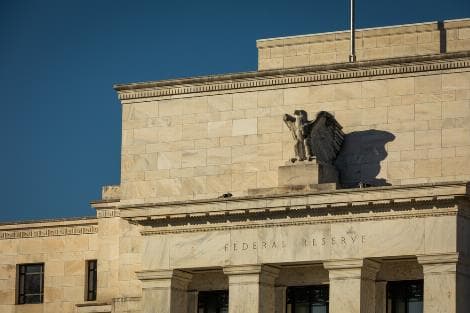
Federal Reserve Governor Michael Barr on Wednesday called for additional interest rate increases, the latest central bank official sounding the alarm on inflation being stuck above the 2% goal.
In remarks for an event hosted by the Chicago Fed, Barr expressed concern over US inflation not easing toward the target in a timely way, warning that risks are tilted to the upside.
Last week, the Federal Open Market Committee delivered its first rate hike in just over three years as inflation remained hot. The committee's "dot plot" signaled that another rate increase could come before the year ends.
"In my base case, further policy adjustments are likely to be needed to ensure inflation comes down to target in a timely fashion," Barr said. "We want to support sustainable, durable growth in support of maximum employment, and price stability is crucial to that."
Fed Chair Kevin Warsh said last week that the rate hike removes "a dose of accommodation" from the economy, suggesting he didn't see financial conditions as restrictive.
"The plain fact is that inflation is too high and has been for too long," Warsh said. "This summer's inflation readings do not tell me that underlying trends have meaningfully improved."
Other Fed officials have also issued hawkish comments, with Richmond Fed President Tom Barkin saying on Tuesday that inflationary pressures may persist for a while before their impact fades. Chicago Fed President Austan Goolsbee said Monday that policymakers can no longer afford to look through supply shocks that have become a regular feature of the economy.
The Fed's next interest rate increase could come as early as next month as higher oil prices amid the Middle East conflict lift inflation forecasts, Oxford Economics said in a report e-mailed Tuesday. Annual headline personal consumption expenditure inflation held steady at 3.7% in July, while the annual core measure, which excludes food and energy, was unchanged at 3.3%.
Markets are now pricing in a 69% probability that the Fed will lift interest rates again by 25 basis points in October, up from 55% on Tuesday, according to the CME FedWatch tool.
"Economic growth is strong and the labor market is solid, but inflation is above our 2% target and not clearly trending toward target in a timely way," Barr said. "Moreover, risks to achieving our inflation target have increased, while risks to the labor market have receded."
Tariffs, geopolitical conflicts and a surge in artificial intelligence investments have all resulted in inflationary shocks, Barr said.
Crude oil prices are on track for their third consecutive monthly gains in September amid intensifying hostilities in the Middle East, while diesel prices in the US have hit fresh record highs.