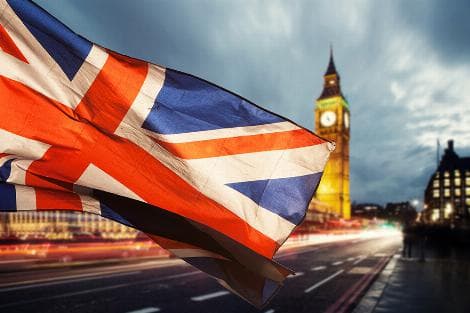
The Bank of England left its key rate unchanged at 3.75% despite further increases in energy prices due to the ongoing war in the Middle East, but warned of a potential hike in the future if the conflict persists for a longer period.
The UK central bank's Monetary Policy Committee voted 6-3 on Thursday in favor of a hold, with the three members voting to raise the bank rate by 25 basis points to 4%. The dissenters, which included BoE Chief Economist Huw Pill, noted that a proactive rate increase would help anchor inflation expectations amid uncertainty regarding the extent of second-round effects from the war as energy and food prices continue to soar.
The MPC, however, agreed that there is "little evidence" of material second-round effects thus far in price and wage-setting, adding that it will continue to closely monitor the relevant indicators of potential second-round effects. The committee also said risks to the inflation outlook were more tilted to the upside, compared with that during its previous meeting in July.
"Domestic inflationary pressures have continued to ease. The labour market continues to be soft, with pay in line with expectations, though some forward-looking indicators of hiring have picked up. Weather conditions are likely to push up food price inflation. With risks to energy and food prices more to the upside, second-round effects could materialise more strongly," BoE Governor Andrew Bailey said.
"Financial conditions will continue to work to push down on inflation, and holding Bank Rate is appropriate at this meeting. But if the conflict in the Middle East persists for an extended period, as appears to be the case, and the risk of second-round effects emerging increases, it is likely that policy may have to tighten."
Based on the latest government data, the UK's annual inflation rate rose to 3.1% in August from 2.9% in July, with the core rate stable at 2.6%. The BoE's medium-term inflation target stands at 2%.
"Thursday's Bank of England decision makes clear what we already knew: that the prospect of a November rate hike will depend entirely on energy prices. A hold is still our base case, assuming energy prices cool over the next six weeks. If they don't, then we'd expect the Bank to reluctantly hike rates in November and probably in February too," according to ING.