A US-Iran peace framework that includes the expected reopening of the Strait of Hormuz has lifted sentiment, but it will take time for oil supply to improve meaningfully, Rystad Energy said in a note emailed Monday.
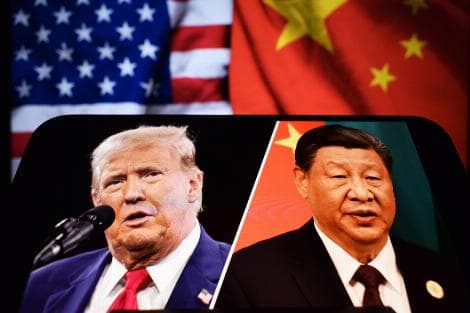
Washington and Tehran have agreed to end their war that has rattled energy markets amid supply disruptions, production shut-ins and damage to energy facilities in the Gulf region.
The Strait of Hormuz -- the world's most important chokepoint for crude flows -- has remained effectively closed since the US-Israel war with Iran began at the end of February.
A formal signing of the US-Iran deal is scheduled to take place in Switzerland on Friday.
"A return to normalized market conditions immediately upon signature in Switzerland would look optimistic, as sentiment has clearly improved," Rystad Chief Economist Claudio Galimberti said. "But sentiment is not the same as supply."
West Texas Intermediate crude oil was down 5.2% at $80.46 a barrel, while Brent fell 4.9% to $83.08.
"It will take time for production to ramp back up, for logistics to normalize, and for the risk premium embedded in crude prices to dissipate, particularly given that the structural shift implied by the (United Arab Emirate's) exit from OPEC+ is not reversed by any near-term diplomatic outcome," Galimberti said.
The UAE ended its more than five decades of the Organization of the Petroleum Exporting Countries' membership in May.
The US-Iran framework paves the way for another round of negotiations on Tehran's nuclear program, while Iran seeks sanctions relief. Kazem Gharibabadi, Iran's deputy foreign minister, said Sunday that a 60-day period of talks after Friday will depend on whether the US would meet its commitments, especially the release of frozen Iranian funds, CNN reported.
The framework faces potential implementation risks.
"A signed agreement is not a functioning one, and the sequencing dispute, with both sides insisting the other must move first, remains the main fault line, while Lebanon continues to represent a wildcard that neither Washington nor Tehran fully controls," Galimberti said.