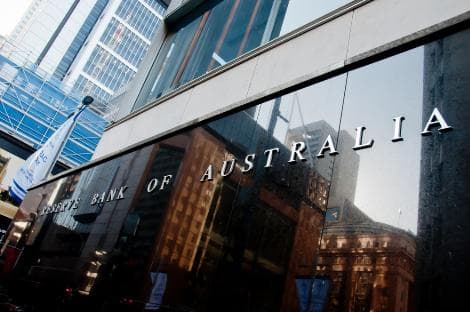
Inflation in Australia continues to be too high and is unlikely to return to the midpoint of the target range until late next year, the country's central bank said as it left borrowing costs unchanged.
The Reserve Bank of Australia held its benchmark cash rate at 4.35% in a unanimous decision released Tuesday, noting both capacity pressures in the economy as well as the pass-through of higher fuel prices to other goods and services.
The central bank said three interest rate hikes earlier this year are yet to take their full effect, which means total spending will probably slow this year while the unemployment rate rises gradually.
The rate-hold decision was in line with market expectations. Jarden earlier in August said it expects the central bank to maintain the rate through the end of the year before implementing two cuts in 2027. Commonwealth Bank of Australia also expects the next policy move to be down rather than up, it said in a Tuesday note.
However, the Reserve Bank left the door open to further rate hikes if upside risks materialize, saying it will do whatever is necessary to bring inflation sustainably back to its 2% to 3% target band.
"With monetary policy judged to be somewhat restrictive, the board decided to leave the cash rate target unchanged while it assesses how the economy is evolving," the central bank said.
It also issued fresh forecasts for the economy, predicting gross domestic product growth of 1.4% by the end of this year and 1.6% by the end of next year. The trimmed mean consumer price index reading, which is the central bank's preferred measure of inflation, is expected to come in at 3.3% this year before falling to 2.6% by the end of 2027.
At a press conference following the decision, central bank Governor Michele Bullock said policymakers did not broach an interest rate cut at the latest meeting and only discussed a rate raise and hold. Excess capacity, a tight labor market, and the Middle East conflict are among the top risks to the inflation outlook, Bullock said.