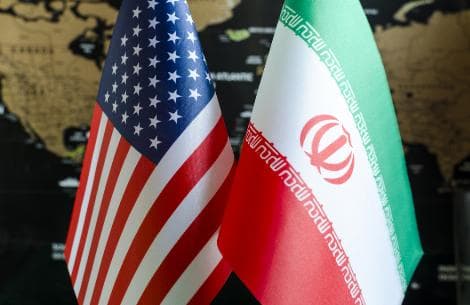
Oil prices rose Monday as the 60-day ceasefire between the US and Iran expired, with no signs of near-term engagement prospects.
Brent crude was up 0.4% to $88.86 a barrel, while West Texas Intermediate ticked 0.2% higher to $82.52.
Brent has fallen 1.8% in August after increasing 24% last month, while WTI is up 0.2% month to date following a nearly 18% jump in July.
The US and Iran agreed to a memorandum of understanding to end their war in June and negotiate a final deal. However, the truce apparently collapsed as tensions over the control of the Strait of Hormuz escalated.
Israeli strikes in southern Lebanon left at least 11 people dead on Saturday, Reuters reported, citing the Lebanese health ministry. Meanwhile, traffic through the strategic waterway slowed as three vessels operated by Abu Dhabi National Oil Co. were attacked in transit last week.
"Fresh fighting in Lebanon and attacks on vessels in the Strait of Hormuz cloud the outlook for a deal to end the US-Iran war," Saxo Bank said in a note Monday.
Iranian Foreign Ministry spokesman Esmail Baghaei ruled out extending the memorandum of understanding, according to a CNBC report that cited state news agency Tasnim.
President Donald Trump warned that the US could attack Oman if the Gulf nation interferes with the blockade of Iranian ships in the Strait of Hormuz, The Wall Street Journal reported, citing an interview with Fox News.
Trump reportedly said last week that gas prices may remain high for Americans.
"Middle Eastern producers continue to shuttle large volumes of crude out of the Persian Gulf, with daily flows reportedly running above market estimates of around 4 million barrels, helping to keep (oil) prices in check," Saxo Bank said.