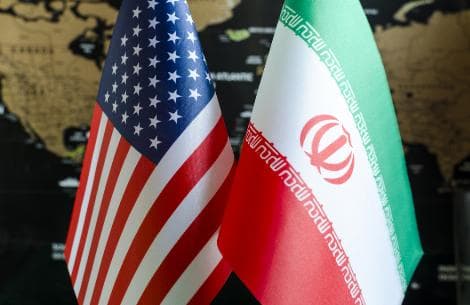
Crude oil prices fell Friday following a report on a China-backed push by Pakistan to revive stalled peace negotiations between the US and Iran.
Brent futures were trading 3.9% lower at $96.74 a barrel in afternoon trading, after the global benchmark hit a day high of $101.19. West Texas Intermediate crude oil fell 3% to $89.40.
Pakistan has held exploratory discussions with Iran's Interior Minister Eskandar Momeni as it seeks to renew talks between Washington and Tehran, Reuters reported Friday, citing Pakistani sources. Islamabad has also discussed the Middle East situation with China, according to the report.
The US and Iran signed a Pakistan- and Qatar-brokered preliminary peace deal in June. However, tensions have escalated, with the US military striking Iran for the 13th consecutive night on Thursday and Iran launching attacks at American assets in the Middle East.
China's foreign ministry said the country "supports the mediation efforts made by Pakistan and other parties," according to Reuters.
Despite Friday's pullback, the two oil price benchmarks were on track for sharp gains this week. Brent was up 9.5% from last week, heading for its fourth consecutive weekly advance, while the US benchmark is set to lock in its third weekly gain in a row, up 9% so far this week. Both have gained around 30% this month.
Bahrain, Jordan and Kuwait fended off Iranian attacks on Friday, CNN reported. US President Donald Trump told Axios on Thursday that he was "considering a massive attack" against Iran.
"The key question is at what price level pressure begins to build on the Trump administration to return to the negotiating table," ING Bank said in a report. "If Trump's previous spikes during the early stages of the war are any guide, pressure to de-escalate will likely grow significantly if, and when, Brent nears $120 (a barrel)."
While markets continued to monitor supply disruptions in the crucial Strait of Hormuz, conflict has also flared up in the Red Sea, another vital crude supply chokepoint, according to reports.
"For Iran, it's less about where oil prices are trading (in fact, Iran will want to push prices as high as possible) and more about how long they can endure a collapse in oil revenues amid the US blockade," ING said.