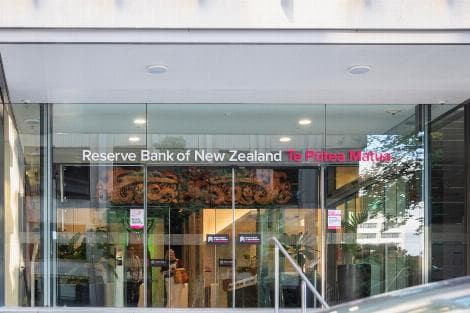
New Zealand's central bank followed up its July rate increase with another raise of 25 basis points on Wednesday, and hinted at further hikes this year amid expectations for inflation to remain above its target range of 1% to 3%.
The Reserve Bank of New Zealand reached consensus to boost the official cash rate to 2.75% after higher fuel prices resulted in annual inflation increasing to 4.1% in the June quarter, above the central bank's forecast of 3.9% and up from a 3.1% increase recorded in the March quarter.
The decision to hike borrowing costs again was widely expected, with both the Bank of New Zealand and Westpac forecasting an increase of 25 basis points. Following the announcement, Westpac said it continues to expect a rate hold in October and an increase in December, as policymakers will want to see more evidence on the economic recovery's durability before committing to more hikes.
The central bank expects inflation to return to the target band by mid-2027 before hitting the 2% midpoint of the range later next year, partly in response to a gradual removal of monetary stimulus.
Commenting on the local economy, the RBNZ said a recovery appears to have resumed in the third quarter following lackluster growth in the previous quarter, although it remains uneven across sectors and regions. Employment growth has not been sufficient to fully absorb new entrants into the labor market, where unemployment is elevated, while positive spillovers from the export sector into the broader economy have been limited.
"We may need to increase the OCR further this year," the central bank said, adding that its latest hike reduces the risk of the cash rate needing to rise by a greater degree later.
Speaking at a press conference following the release of the monetary policy statement, central bank Governor Anna Breman said the board is not on a pre-set course for interest rates, and the timing of any further hikes remains uncertain. The bank believes the indirect impacts of the oil shock will take a few more quarters to fall out of inflation data.