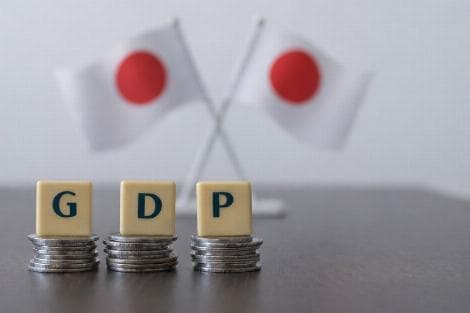
Japan's economic growth outperformed expectations in the first quarter, but analysts said gross domestic product could slow in the coming months as the impact of the Middle East conflict is felt later.
The first-quarter GDP rose 2.1% year on year. On a quarterly basis, it increased 0.5% from the revised 0.8% growth in the fourth quarter of 2025, according to official data on Tuesday.
The current GDP surpassed market expectations of a 1.7% year-on-year increase and a 0.5% quarter-on-quarter lift, as well as ING's prediction of a 0.3% quarterly rise.
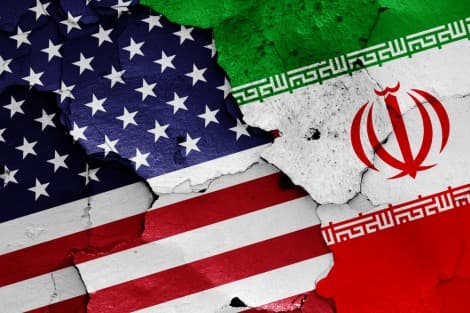
Net exports have been a major factor in the GDP increase, as they added 0.3 percentage points to overall growth, indicating the initial impact of the war between the U.S. and Iran did not slow down demand.
Private consumption and capital expenditure both climbed 0.3% quarter on quarter, suggesting enterprise profits managed to sustain the economy, aside from demand remaining robust during this period.
Analysts believe the effects of the Middle East war, especially the oil price shocks, will eventually weigh on Japan's economy, slowing down the growth of its GDP in the coming months.
Oxford Economics analysts said the first-quarter GDP is "already in the rear-view mirror" of the disruption caused by the conflict. Meanwhile, Dai-ichi Life Research Institute senior executive economist Yoshiki Shinke expects the GDP to contract in the second quarter, Reuters reported.
"We expect slower growth this quarter and next, mostly due to prolonged energy shocks," Min Joo Kang, ING's senior economist for South Korea and Japan, said. "Domestic demand is likely to grow, but at a slower pace, while inventory and net exports may drag down overall growth."
In a statement, Economic Minister Kiuchi Minoru said the government is implementing emergency fuel oil price stabilization measures while monitoring the situation over the Middle East crisis.
"The Prime Minister requested that the ruling parties' policy affairs chiefs urgently compile a concrete plan for electricity and gas price support for the July-September period, aiming to keep prices below last summer's levels," Minoru said. "The Prime Minister instructed the Minister of Finance to consider financial measures, including the formulation of a supplementary budget, from the perspective of minimizing risks and ensuring adequate preparedness."
The U.S. and Iran are currently in a ceasefire as they try to strike a deal to end the war, which brings a sense of uncertainty over the global markets.